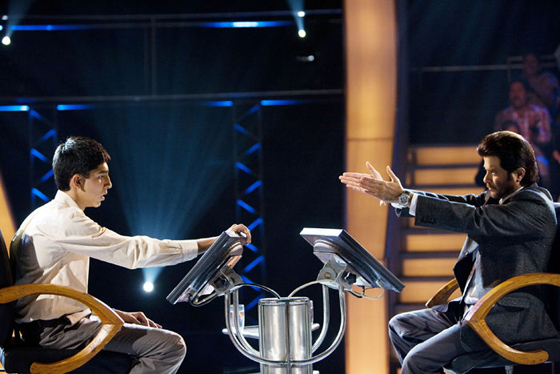
Frost Nixon is a film based on the interviews that took place between David Frost and Richard Nixon in 1977. Three years after Nixon is forced from office, he still hasn't spoken about the Watergate scandal that preceded his resignation.
Frost is an overly ambitious television personality who is struggling to retain former glories. He is desperate to restore his name and regain success in America, and after he sees how many people watched Nixon's resignation, he requests a publicized interview.
Nixon, who still desires a life in Washington, eventually accepts the interview request. Convinced he can outwit Frost, dominate the conversation, and remind the Americans of all the "good" things he did while in office, Nixon is confident that facing Frost will be the stepping stone to a "life back East."
While we ultimately know the outcome, this film strategically employs the operational aesthetic, whereby the audience is constantly engaged in the plot despite an acute knowledge of how it will end. Constantly wondering how we will get there, we become invested in the rising emotional stakes of the characters, almost wishing that neither will win, though satisfied when justice seems served.
Director Ron Howard made the experience all the more enjoyable by creating an intense visual playground, making extensive use of shallow and racking focus. The result is an implication of something more, a confusion for what we needed to pay most attention to, and a constant struggle to orient ourselves towards either Nixon or Frost.
The actors did a phenomenal job at portraying the humanity of their historical counterparts, embodying both the good and the bad. Because underneath all the politics and the pomp and circumstance, we have two men who come to realize the implications of shame and responsibility and a world that is greater than the individual.
Four.